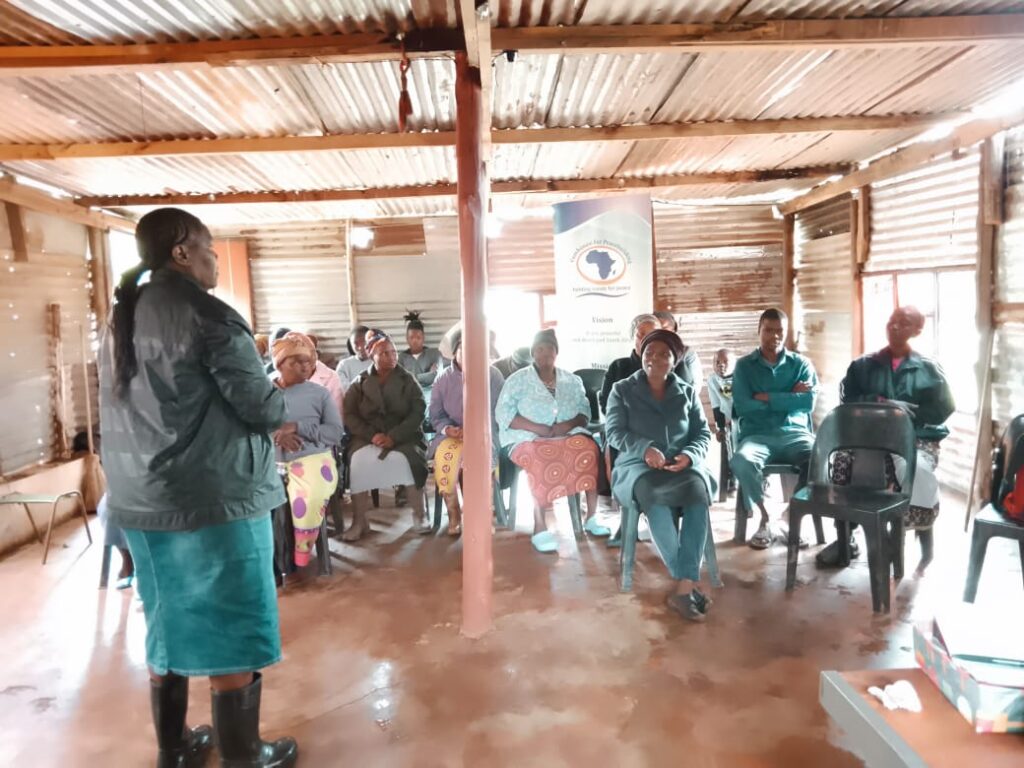
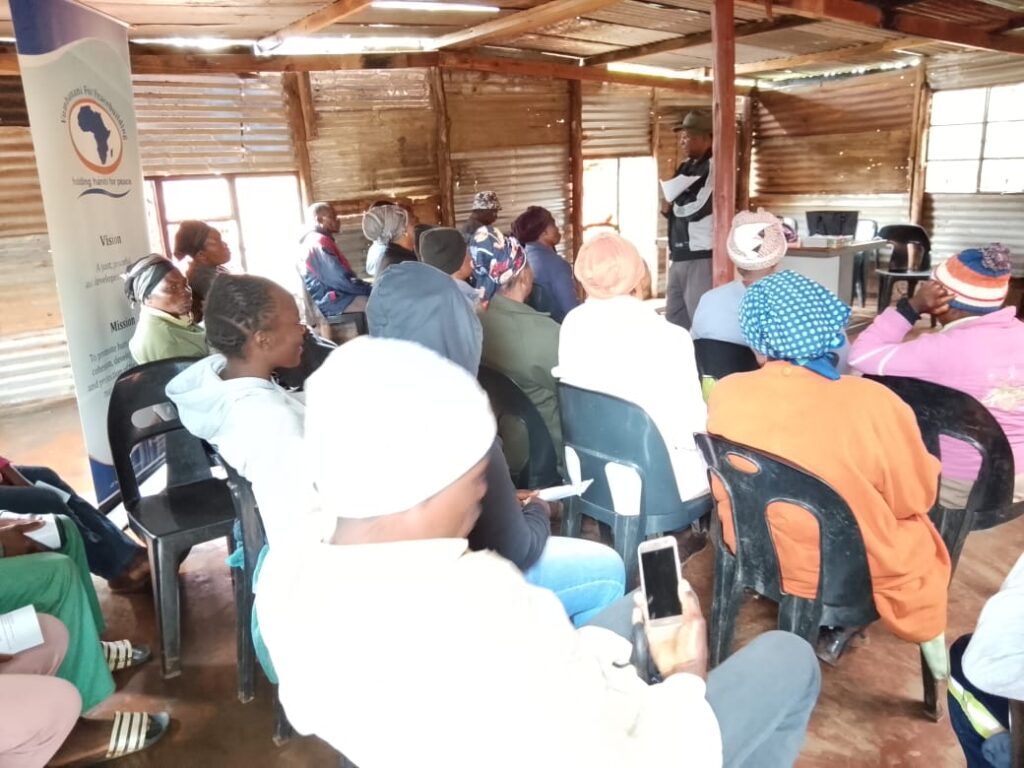
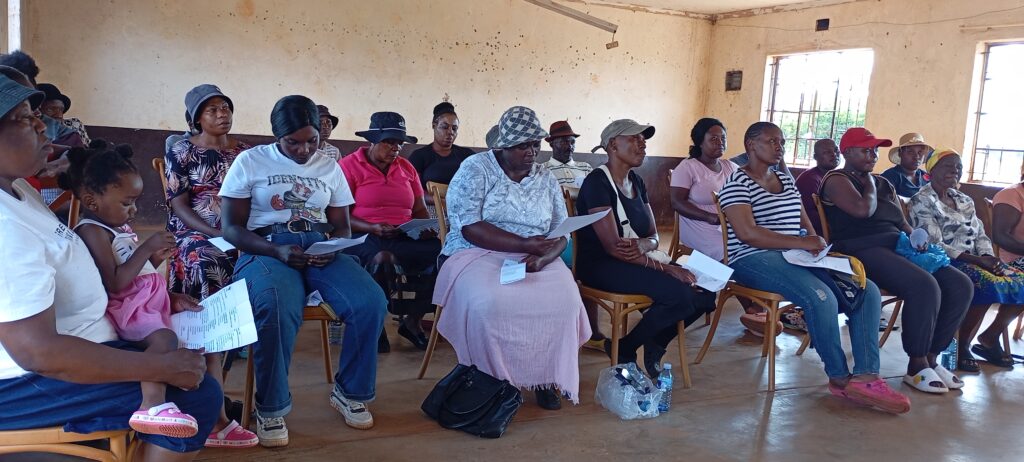
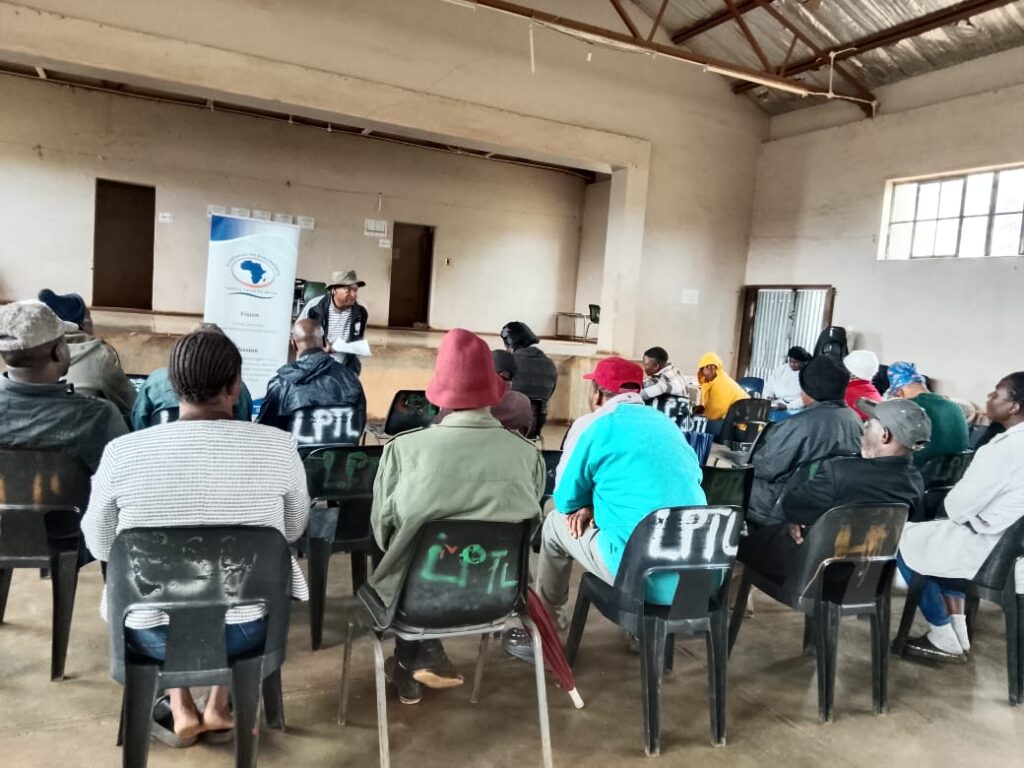
Vumbanani for Peacebuilding in partnership with the Department of Employment and Labour, Compensation Fund is working to capacite vulnerable workers to know and exercise their rights, labour rights, labour laws and how to claim compensation fund. The OHSA & COIDA training workshops held in Elim across sectors such as construction, agriculture (farms), retail, domestic work, and vulnerable worker groups can be strongly commended as a high-impact, community-relevant intervention that addresses both legal compliance and worker protection in a rural context.
Promoting Legal Awareness and Compliance
The workshops played a critical role in equipping participants with a practical understanding of the Occupational Health and Safety Act (OHSA) and the Compensation for Occupational Injuries and Diseases Act (COIDA). These laws place a legal obligation on employers to provide safe working environments and ensure workers are protected and compensated in case of injuries or illness. (eohcb)
By targeting multiple sectors—including informal and vulnerable workers—the training helped bridge a significant knowledge gap where compliance is often weakest.
Sector-Specific Relevance and Practical Impact
The inclusion of diverse sectors such as:
- Construction (high-risk environments, machinery, working at heights)
- Farms (chemical exposure, manual labour risks)
- Retail (ergonomics, slips and falls, security risks)
- Domestic workers (often excluded from formal protections)
- Vulnerable workers (informal, migrant, and low-income workers)
ensured that the training was contextualised and practical, allowing participants to relate legislation directly to their daily work realities.
This aligns with best practice, where OHSA training must address industry-specific hazards and real-life scenarios to be effective. (eohcb)
Enhancing Workplace Safety and Risk Reduction
A key outcome of the workshops is the empowerment of workers to identify hazards, prevent accidents, and respond to emergencies. Evidence shows that proper safety training can significantly reduce workplace injuries and incidents. (mpdi.co.za)
In rural Elim, where access to formal safety training is limited, this intervention contributes directly to:
- Reduced workplace injuries
- Improved reporting of incidents
- Better use of protective measures
- Increased compensation claims
Strengthening Protection for Vulnerable Workers
A particularly commendable aspect is the inclusion of vulnerable workers, who are often:
- Under-informed about their rights
- Excluded from formal training opportunities
- At higher risk of exploitation
By covering COIDA, the workshops ensured participants understood their rights to compensation and procedures for claiming, which is essential for preventing households from falling into poverty due to workplace injuries. (Gawie le Roux Institute of Law)
Building a Culture of Safety and Professionalism
Beyond compliance, the workshops contributed to fostering a culture of safety, responsibility, and professionalism among both workers and employers.
Health and safety training is known to:
- Improve morale and productivity
- Encourage accountability
- Promote continuous safety practices in workplaces (OHS Training Africa)
This is particularly important for community-based economies where informal practices often dominate.
Contribution to Rural Development and Social Protection
The initiative aligns with broader development goals by:
- Promoting decent work conditions
- Supporting poverty reduction through injury protection systems
- Strengthening community awareness of labour rights
In rural Limpopo, such interventions are essential for advancing social justice and inclusive economic participation.
Overall Comment
The OHSA & COIDA training workshops in Elim represent a strategic, inclusive, and impactful capacity-building initiative. By combining legal education with practical workplace safety knowledge across multiple sectors, the programme has significantly contributed to empowering workers, improving employers`compliance, and protecting vulnerable workers.