Background
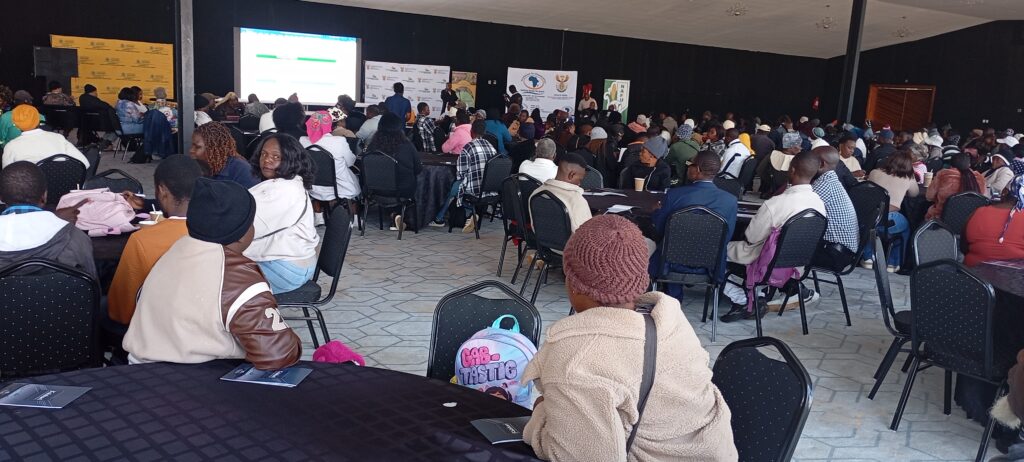
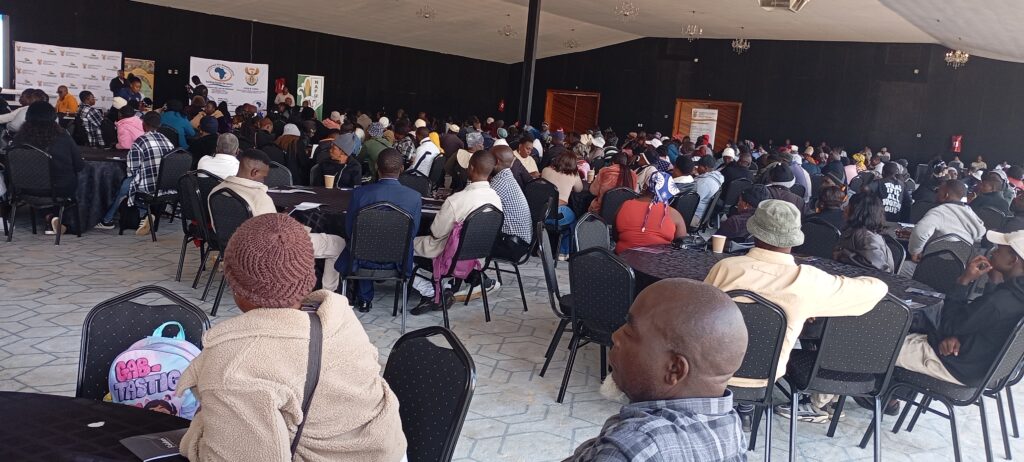
It was a full house in Thohoyandou at Kalahari Waterfront on Friday the 10th and Saturday the 11th of july 2026 as the Department of Employment and Labour Here’s a professional and motivational report suitable for submission to stakeholders, funders, or the Department of Employment and Labour. Vulnerable farmworkers continue to face numerous occupational health and safety challenges, including workplace injuries, occupational diseases, limited knowledge of their labour rights, and difficulties accessing compensation benefits. Many injured workers are unaware of the procedures for reporting workplace incidents or submitting compensation claims, resulting in delayed or denied benefits and prolonged financial hardship.
To address these challenges, the Department of Employment and Labour, through the Compensation Fund, facilitated an Occupational Health and Safety Act (OHSA) and Compensation for Occupational Injuries and Diseases Act (COIDA) awareness workshop. The workshop brought together farmworkers, employers, community representatives, and relevant stakeholders to promote safer workplaces while ensuring that injured workers receive the support and protection guaranteed by South African labour legislation.
Purpose of the Workshop
The workshop aimed to:
- Increase awareness of workers’ rights and employers’ responsibilities under the Occupational Health and Safety Act and the Compensation for Occupational Injuries and Diseases Act.
- Educate vulnerable farmworkers on the procedures for reporting workplace injuries and occupational diseases.
- Assist workers in resolving outstanding Compensation Fund claims.
- Promote compliance with occupational health and safety standards within the agricultural sector.
- Strengthen collaboration between government, employers, and communities to create safer and healthier workplaces.
The workshop delivered significant benefits to vulnerable farmworkers and their communities. Officials from the Department of Employment and Labour and the Compensation Fund provided practical guidance on claim registration, claim tracking, required documentation, medical assessments, and the rights of injured employees.
Several farmworkers who had experienced workplace injuries or occupational illnesses received direct assistance in reviewing and resolving their outstanding Compensation Fund claims. Officials were able to verify claim statuses, identify missing documentation, provide immediate guidance on outstanding requirements, and facilitate follow-up processes for unresolved cases. For many participants, this was the first opportunity to engage directly with Compensation Fund officials regarding their individual cases.
The workshop also improved participants’ understanding of workplace accident reporting procedures, employer obligations, the importance of timely medical reporting, and the legal protections available under COIDA. Farmworkers expressed renewed confidence in exercising their rights and reporting unsafe working conditions without fear.
Impact
The intervention had a meaningful impact on participants by:
- Restoring hope to injured workers whose compensation claims had been delayed or remained unresolved.
- Reducing barriers to accessing Compensation Fund benefits through direct engagement with government officials.
- Empowering workers with knowledge of their legal rights and responsibilities.
- Encouraging early reporting of workplace injuries and occupational diseases.
- Promoting safer work practices that can reduce workplace accidents and improve overall wellbeing.
- Strengthening trust between farmworkers, employers, and the Department of Employment and Labour.
For many participants, the workshop represented more than an information session, it was an opportunity to regain dignity, access justice, and secure financial relief during periods of injury and vulnerability.
Conclusion
The OHSA and COIDA workshop demonstrated the importance of bringing government services closer to vulnerable communities. Through the leadership of the Department of Employment and Labour and the Compensation Fund, farmworkers were equipped with practical knowledge while receiving much-needed assistance in resolving compensation claims that directly affect their livelihoods.
Continued outreach programmes of this nature are essential to ensuring that no worker is left behind due to a lack of information or limited access to government services. Expanding these workshops to more farming communities will contribute to improved occupational health and safety compliance, increased awareness of labour rights, and timely access to compensation benefits for injured workers.
The success of this initiative highlights the value of collaboration between government institutions, employers, workers, and community organisations in building safer workplaces and promoting decent work for all.